This is the first post in our Opportunity Zone Series, where we explore how this powerful tax incentive works today — and what’s on the horizon for 2027 and beyond. Whether you’re a seasoned investor or just learning about OZs, this series will help you understand the rules, the benefits, and the upcoming changes that could shape your strategy.
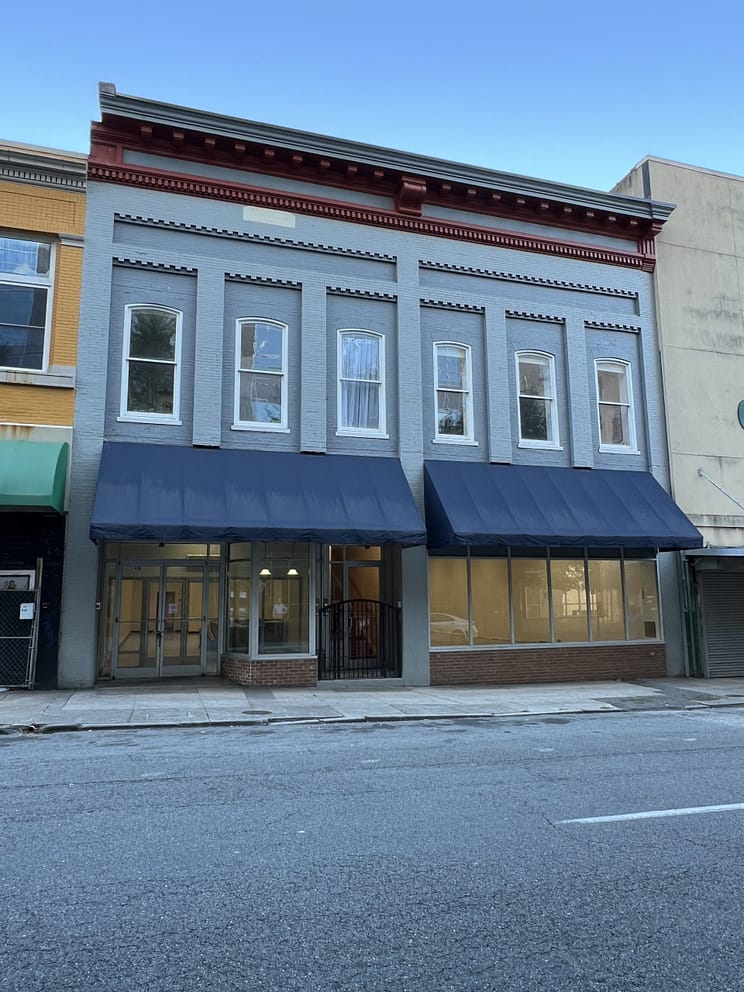
The Bitting Block, located at 418-420 Liberty Street in downtown Winston-Salem, is located in an Opportunity Zone.
What are Opportunity Zones?
Opportunity Zones are census tracts designated as economically distressed. Investors can reinvest capital gains into Qualified Opportunity Funds (QOFs), which then deploy that capital into eligible businesses or real estate within Opportunity Zones.
Since the program began, investment estimates range from $100-150 billion—making it one of the largest place-based tax incentive programs in recent U.S. history.
Legacy Benefits (Pre-2027 Rules)
Until the end of 2026, investors can still access:
- Tax deferral on capital gains through 2026
- Step-up in basis (10% after 5 years, 15% after 7 years — now phased out for new investments)
- 100% tax-free growth if you hold your OZ investment for at least 10 years
These benefits can significantly improve after-tax returns—especially for patient capital.
OZ + Tax Credit Stacking
One of the most powerful features of OZs is their compatibility with other tax incentives, including:
- Low-Income Housing Tax Credit (LIHTC) for affordable housing
- New Markets Tax Credit (NMTC) for operating businesses
- Historic Tax Credit (HTC) for historic redevelopment
- Renewable Energy Tax Credit (RETC) for clean energy projects
Layering these incentives can unlock capital and reduce risk for complex projects—particularly in challenging markets.
Bottom Line
According to the Urban Institute, the success of the program is debatable as many areas that received investment were probably going to see that investment anyway. Starting January 2027, the renewed program has stricter eligibility requirements but offers enhanced benefits that significantly exceed what is available under current guidelines. Therefore, we expect investments will be minimal until 2027, and in the meantime smart investors will work to evaluate those markets and opportunities until then.
Thinking of Opportunity Zone investing? Let our team at Christopher Commercial help you evaluate the local markets and help plan your investment strategy for the enhanced 2027 framework.

Coming Up Next
In part 2, we'll break down OZ 2.0 - the new rules, new maps, and new opportunities that will reshape the program starting in 2027.
Questions about Opportunity Zones? Reach out to us today:
Jared Rogers | Broker | 336.310.5915 | jared@christophercommercialnc.com
Service areas: Winston-Salem, Kernersville, High Point, Lewisville, Clemmons


0 Comments