While Winston-Salem’s recent demographic surge is impressive, it came largely by accident and was driven by external forces like remote work and housing affordability elsewhere.
Now, as those conditions evolve, the city faces a critical question: can it hold onto these gains, or will the population momentum slip away? In this second part of our series, we examine what’s at stake for Winston-Salem, from commercial real estate demand to the city’s broader economic vitality. And we'll explore strategies to turn a temporary influx of young professionals into long-term growth.
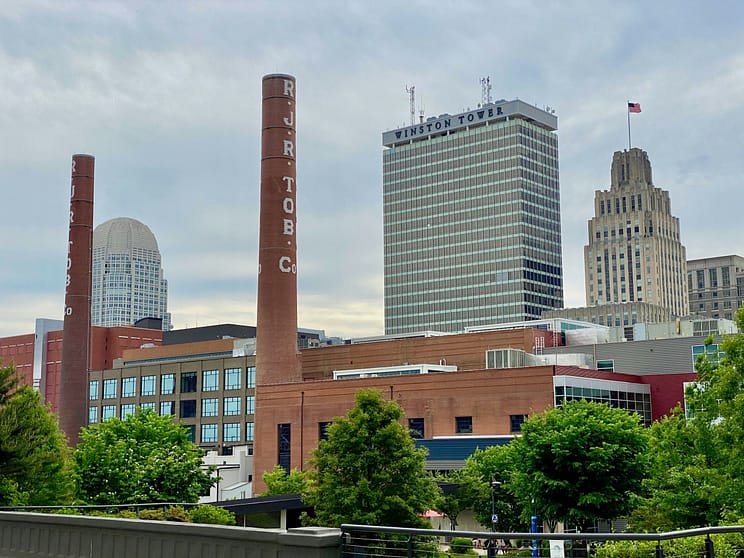
Losing these demographic gains would be damaging across all commercial property sectors. The 25-44 age group surge has directly supported:
Retail and Restaurant Growth: This demographic drives demand for dining, entertainment, and lifestyle amenities. The pandemic migrants brought urban consumption patterns to Winston-Salem. Also, these remote workers are much more likely to shop local and open businesses providing amenities to the local population that they enjoyed prior to moving here.
Office Demand: New businesses locating locally and existing firms expanding to serve the growing population. Young professionals create demand for professional services, technology companies, and corporate operations that fuel office absorption.
Residential Development Pipeline: As pandemic migrants transition from renters to homeowners, they're driving new residential construction that supports the broader development ecosystem.
If Winston-Salem's annual in-migration drops back to pre-pandemic levels—losing 2,500-3,000 young professionals annually—tax bases would decrease, vacancy rates would rise and development pipelines would stall across multiple property types.
Locking in the Gains: A Commercial Real Estate Strategy
Winston-Salem needs to transition from accidental attraction to intentional retention. This means building systems that make staying as compelling as arriving was during the pandemic boom—and that create sustained demand for commercial real estate.
Industry-Specific Development: Create office and mixed-use spaces designed for the sectors that employ young professionals—healthcare technology, financial services, advanced manufacturing. The Innovation Quarter model should expand to other districts, connecting university graduates with modern work environments.
Post-Graduation Transition Infrastructure: Develop affordable housing, co-working spaces, and mixed-use environments that ease the transition from college to career. These graduates represent the most predictable source for increasing our population of young professionals.
Affordability Protection Through Smart Development: Winston-Salem's cost-of-living advantage was crucial for pandemic-era attraction. Creating diverse housing options can preserve affordability while creating commercial opportunities.
Hybrid Work Infrastructure: While fully remote work is declining, flexible arrangements remain common and investing in co-working facilities, conference centers, and technology-enabled spaces can serve both local businesses and remote workers who need professional environments.
Lifestyle-Supporting Commercial Development: Young professionals drive demand for experiential retail, dining, and entertainment. Mixed-use developments that combine residential, office, and lifestyle amenities can capture and retain this demographic.
The Time Sensitive Commercial Real Estate Opportunity
From a commercial real estate perspective, demographic stability drives investment confidence and long-term property values. Winston-Salem has a narrow window to institutionalize its pandemic-era demographic gains before market conditions shift again.
The young professionals who moved here during the pandemic are making long-term decisions right now about career paths, home purchases, and family formation. The university graduates entering the workforce are deciding whether local opportunities match their ambitions.
We can either develop the commercial infrastructure that supports these decisions toward long-term local investment, or we can assume the trends that brought success will continue automatically.
The Bottom Line
The pandemic proved that Winston-Salem can compete for the demographics that drive commercial real estate demand when external conditions align in our favor. Now we need to build the internal conditions—the office spaces, mixed-use environments, and career opportunities—that make retention possible when external advantages fade.

Coming Up Next
Stay tuned for our next blog in this series:
“Brain Drain & Brain Gain – How Some Cities Are Being Proactive to Attract and Keep Remote Workers”
Want to dive deeper into the demographic trends that are driving the commercial real estate market in Winston-Salem?
Reach out today!
Jared Rogers | Broker | 336.310.5915 | jared@christophercommercialnc.com
The analysis in this post is based on HUD comprehensive housing market data, Census migration patterns, and commercial real estate market trends. For questions about demographic trends and commercial real estate opportunities, contact Christopher Commercial.


0 Comments